Tingling, burning, numbness, or sharp nerve pain can make everyday life feel smaller. When neuropathy starts affecting your balance, sleep, or confidence walking across the room, it is time to look for a plan that addresses more than surface-level discomfort.
At Pain Free Lexington, we help people who want a thoughtful, non-invasive path forward for reverse neuropathy care. If you are searching for support near Lexington, we begin by listening to your symptoms, your health history, and the patterns that may be contributing to nerve irritation so your care can match what your body actually needs.
Neuropathy symptoms
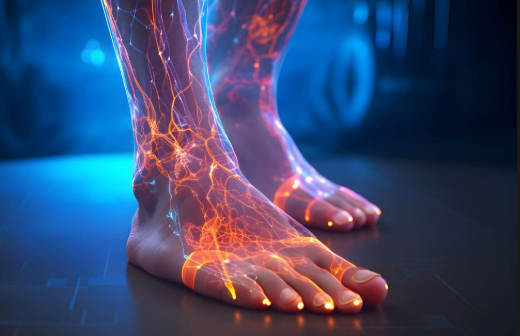
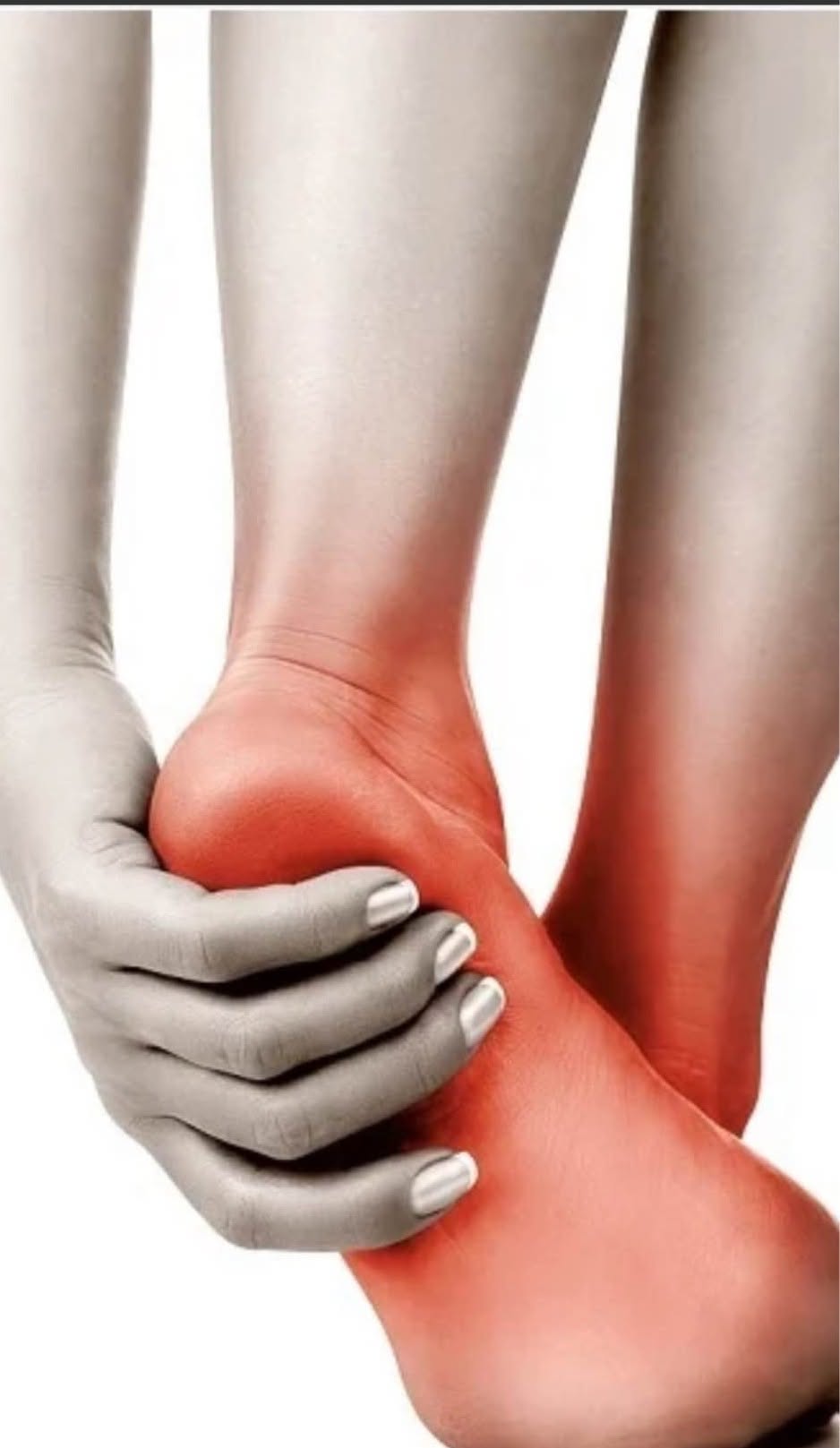
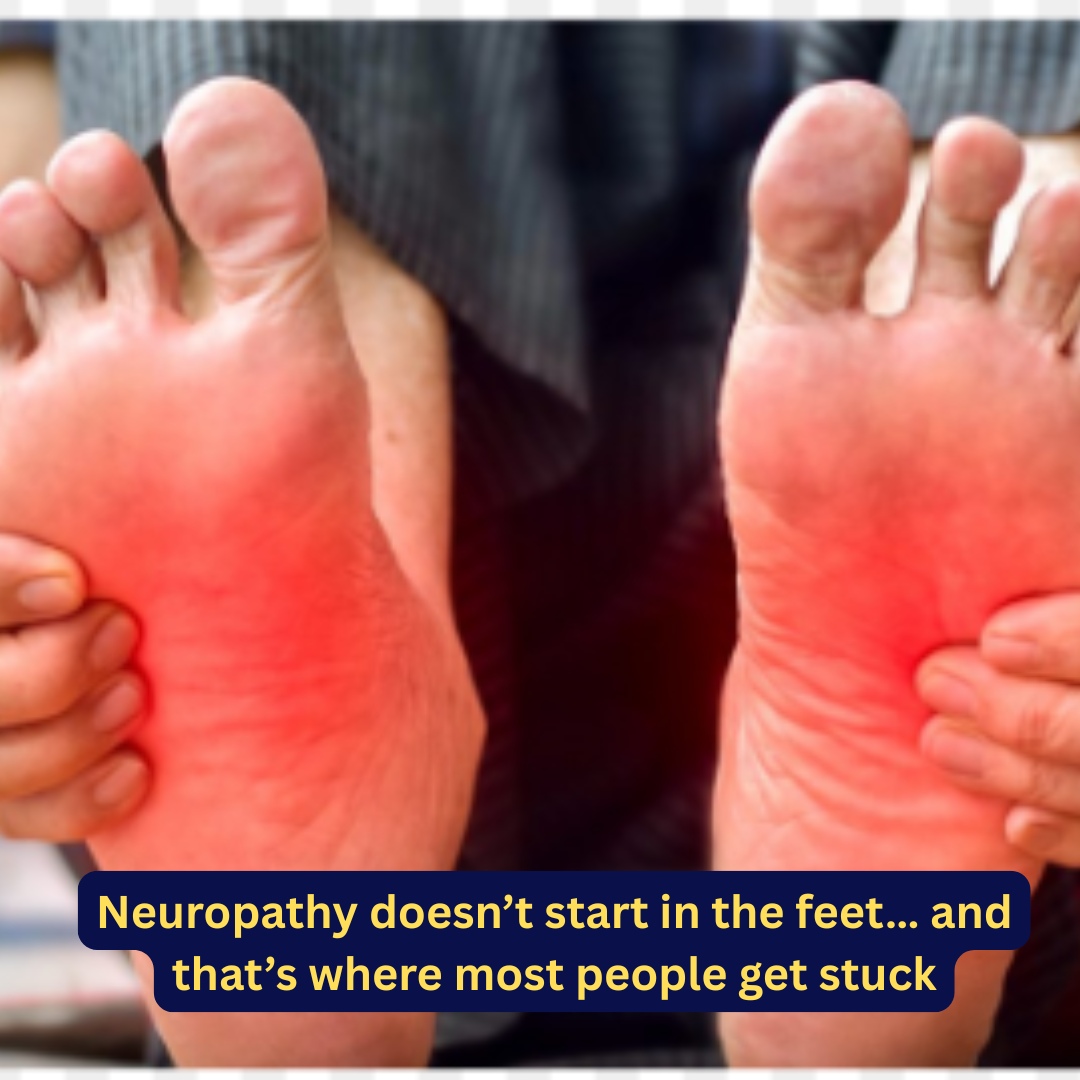
Peripheral neuropathy can show up differently from person to person. Some people notice a mild pins-and-needles feeling at first, while others deal with burning pain, numbness, weakness, or a sense that their feet are not responding the way they should. These changes can affect walking, standing, sleep, and simple daily routines.
Reverse neuropathy care is often a good fit for people who want support with:
- Tingling or numbness that lingers in the feet, legs, hands, or toes
- Burning or stabbing discomfort that gets worse at night
- Balance concerns that make walking feel less steady
- Sensitivity changes that affect touch, temperature, or pressure
- Weakness or heaviness that makes movement feel more limited
When these symptoms are ignored, they can start influencing more than comfort. They can reduce confidence, limit activity, and make it harder to stay active and independent. That is why we focus on a care plan that supports the whole picture, not just the symptom you notice first.
Our approach
Pain Free Lexington takes a whole-body approach to neuropathy care. Rather than focusing on one symptom at a time, we look at the factors that may be contributing to nerve stress, reduced circulation, inflammation, metabolic imbalance, or poor tissue recovery. The goal is to create a personalized plan that supports your body’s natural healing response.
Every care plan is shaped around your history, current condition, and long-term goals. Some patients need help reducing discomfort. Others are focused on walking more steadily, improving mobility, or getting back to activities they have been avoiding. We build from there.
What we consider
When someone comes to us for reverse neuropathy support, we may evaluate patterns related to:
- Circulation and tissue health
- Metabolic health concerns
- Inflammation and recovery
- Movement limitations or reduced mobility
- Soft tissue stress or prior injury
- Digestive or nutritional factors that may affect healing
This broader view helps us avoid one-size-fits-all care. Neuropathy is rarely just a nerve problem by itself, and the most useful plan often needs to support several systems at once.
Therapies used
Reverse neuropathy care at Pain Free Lexington may include several non-invasive therapies chosen to support nerve health, circulation, comfort, and recovery. We use a combination of methods based on what your body needs and how you respond over time.
Red light therapy
Advanced red light therapy, also called photobiomodulation, is a cornerstone of many neuropathy plans. Red and near-infrared light work at the cellular level to support energy production and recovery. For patients dealing with nerve discomfort, this may help promote circulation, reduce inflammation, and support healthier tissue response.
Many people appreciate that this therapy is painless and drug-free. It can be especially useful when neuropathy symptoms are affecting daily comfort, sleep, or activity tolerance.
Shockwave therapy
We also offer acoustic shockwave therapy for targeted support with stubborn pain and soft tissue concerns. This treatment uses acoustic waves to encourage healing responses and help address areas that have become irritated or slow to recover.
For some patients, shockwave therapy can be part of a broader plan that supports mobility, tissue repair, and less discomfort during movement.
Supporting care
Depending on your needs, your plan may also include:
- Rehabilitation exercises
- Lifestyle coaching
- Customized metabolic support
- Functional medicine principles
- Targeted nutritional supplementation when appropriate
How visits work
Your first step is a conversation. We want to understand where your symptoms started, how they have changed, what makes them better or worse, and how they affect your day. From there, we map out a plan that feels realistic and focused.
- Initial discussion
We review your health history, current concerns, and the specific ways neuropathy is affecting your life.
- Personalized planning
We outline care recommendations based on your goals, symptom pattern, and overall wellness picture.
- Therapy sessions
Your visits may include red light therapy, shockwave therapy, movement-based support, or other care elements chosen for your plan.
- Progress review
We check how your symptoms are responding and adjust your care when needed so the plan stays aligned with your progress.
This process is designed to keep your care focused and practical. You should always know what each step is meant to support and how it fits into your overall neuropathy care plan.
Who it helps
Reverse neuropathy support may be a good fit for people whose symptoms are affecting work, exercise, sleep, travel, or basic movement around the home. It is also a strong option for people who want to avoid relying only on symptom suppression and instead work toward better long-term comfort and function.
Many patients seek help for neuropathy alongside other chronic concerns, such as inflammation, metabolic imbalance, fibromyalgia, arthritis, reduced mobility, or chronic pain. When these issues overlap, a personalized approach can be especially helpful because the same contributing factors may be affecting more than one area of health.
If you are in Lexington and want a care plan that is built around your real symptoms rather than a generic protocol, we can help you decide what makes sense next.
What to expect
It is common to hope neuropathy will calm down on its own, especially when symptoms come and go. But when nerve discomfort keeps returning, the right support can make a meaningful difference. Our role is to help you move toward less irritation, better stability, and improved day-to-day comfort.
Depending on your situation, you may notice gradual changes in:
- Walking confidence
- Comfort during rest or sleep
- Sensation or reduced numbness
- Stability and balance
- Mobility and activity tolerance
- Overall energy and independence
Results vary from person to person, and progress is often gradual. What matters most is having a plan that is consistent, responsive, and built around the causes and patterns that are most relevant to you.
Lexington care
Pain Free Lexington serves people who want a local option for reverse neuropathy care without feeling rushed through a one-size-fits-all visit. We are located at 2505 Larkin Road, Ste103, Lexington, KY 40503, and our clinic hours are Tuesday and Thursday from 11:30 AM to 5:00 PM.
If you are ready to talk through your symptoms and explore whether this approach is a fit, you can reach us by phone at +8598803387 or email painfreelexington@gmail.com. A clear first conversation can make it easier to understand what is contributing to your nerve discomfort and what kind of support may help next.
Common questions
What does reverse neuropathy care focus on?
It focuses on supporting nerve health, circulation, inflammation control, and the body systems that may be contributing to neuropathy symptoms.
Can this help if my symptoms have lasted a long time?
Yes, chronic symptoms can still be addressed. The care plan is based on your current condition, not only on when the symptoms first began.
Is red light therapy used for neuropathy?
Yes, red light therapy is often part of neuropathy care because it may support cellular energy, circulation, and tissue recovery.
Do you only treat foot symptoms?
No, neuropathy can affect the feet, legs, hands, toes, and other areas, and care is tailored to the pattern you are experiencing.
Will my plan look the same as someone else’s?
No, each plan is individualized. Symptoms, health history, and wellness goals all help shape the care recommendations.
Can reverse neuropathy care be combined with other chronic condition support?
Yes, many people seek neuropathy care alongside support for pain, inflammation, mobility concerns, or metabolic health issues.